





From Smoke to Science: A Brief History of Wellness Innovation & Habit Transformation
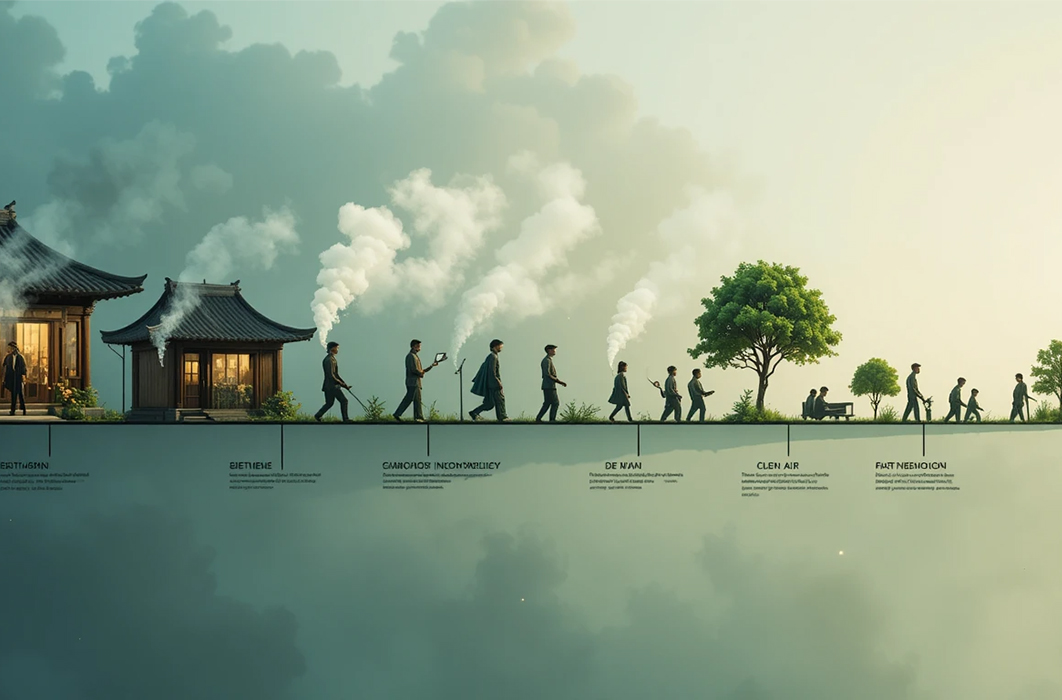
🌍 Introduction: The Journey from Habit to Health
Human habits have always evolved alongside civilization. From early fire rituals and herbal smokes to today’s science-driven wellness innovations, the story of transformation is deeply human.
What once began as cultural or social customs has now become an era of wellness awareness—where people seek balance, health, and sustainability.
In 2025, as technology merges with lifestyle science, the line between wellness and innovation continues to blur — bringing us to a new age of mindful living.
🕯️ The Early Days: Rituals, Culture & Symbolism
In ancient times, people used natural elements like herbs, oils, and incense not only for pleasure but for spiritual and healing purposes.
Communities across Asia, Africa, and the Middle East practiced smoke rituals to connect with nature and purify the soul.
These weren’t “habits” in the modern sense — they were part of cultural identity.
Wellness was not about fitness or beauty; it was about balance with nature.
Key takeaway: Ancient wellness traditions laid the foundation for today’s holistic health philosophies — from mindfulness to herbal medicine.
⚗️ The Age of Discovery: Science Enters the Scene
As civilizations advanced, curiosity gave rise to experimentation.
In the 17th–19th centuries, chemistry and medicine began separating fact from myth.
Scientists discovered how substances affect the human body, and early wellness research emerged.
This period marked the beginning of a global awakening — people began understanding the connection between what we consume and how we feel.
The wellness journey was shifting from instinct to evidence.
💨 Industrial Revolution: From Natural to Manufactured
The industrial revolution changed everything.
Mass production transformed simple habits into global industries — including beverages, aromatics, and even health products.
For the first time, wellness became commercial.
The rise of packaged foods, tonics, and supplements created accessibility — but also distance from natural living.
By the early 20th century, modern society was facing a paradox: comfort and convenience grew, but so did stress, pollution, and lifestyle diseases.
This contrast led to a renewed call for balance — one that continues today.
🌱 The Wellness Revolution: 1970s to Early 2000s
The second half of the 20th century witnessed a radical shift toward self-care and awareness.
Yoga, meditation, fitness, and organic food became symbols of progress.
The term “wellness” entered mainstream vocabulary — blending physical health with emotional and spiritual balance.
People began looking for alternatives to stress, unhealthy consumption, and unsustainable lifestyles.
Innovation met intention.
Technology made wellness information accessible, and the world’s cultures began learning from one another again — just like ancient times, but on a digital scale.
🤖 The Digital Age of Wellness: Smart, Data-Driven, and Personal
Today, wellness is powered by science, apps, and artificial intelligence.
Wearable devices track heart rates, meditation apps monitor breathing, and even nutrition plans are AI-personalized.
This new wave of digital wellness isn’t just about fitness — it’s about understanding behavior.
Scientists, psychologists, and technologists work together to transform habits through insights and automation.
Examples include:
Smartwatches predicting stress levels
AI-based sleep tracking
Digital detox and mindfulness challenges
Eco-friendly habit trackers encouraging sustainability
The result? A generation that seeks empowerment through awareness.
🌏 Sustainability & Conscious Choices: The New Wellness Code
As we enter 2025, “wellness” has evolved beyond personal health — it’s now about collective well-being.
People don’t just ask, Is this good for me?
They ask, Is this good for the planet?
Eco-conscious habits, minimalism, plant-based lifestyles, and circular economies are part of this shift.
The future of wellness belongs to conscious innovation — technology that heals without harming.
It’s no longer about replacing habits; it’s about transforming them into mindful, sustainable practices.
🌿 Science, Psychology & the Power of Transformation
Modern wellness relies on behavioral science — understanding why people make choices and how they can change.
Researchers now know that long-term habit change requires emotional connection, not just information.
Tech platforms are using AI to support that transformation: sending reminders, tracking progress, and rewarding consistency.
In essence, innovation is finally serving humanity’s oldest desire — to live better.
✨ What the Future Holds: AI, Bio-Wellness & Global Health Equity
By 2030, experts predict that AI will completely personalize wellness.
Imagine a world where your digital health assistant designs your diet, recommends activities, and monitors your environment in real-time.
Meanwhile, governments and communities are focusing on global health equity, ensuring everyone has access to wellness — not just the wealthy.
Innovation will soon make health a human right, not a luxury.
🧘 Conclusion: The Circle Returns to Balance
From fire to fiber optics, humanity’s journey has always been about seeking balance.
The tools have changed — but the purpose remains the same: to feel whole, to live better, and to connect deeply with the world around us.
In this new age of wellness innovation, the focus is shifting from smoke and stress to science and sustainability.
It’s not just evolution — it’s transformation.


